30 Digital Marketing Strategy Ideas for Car Dealerships to Drive More Sales
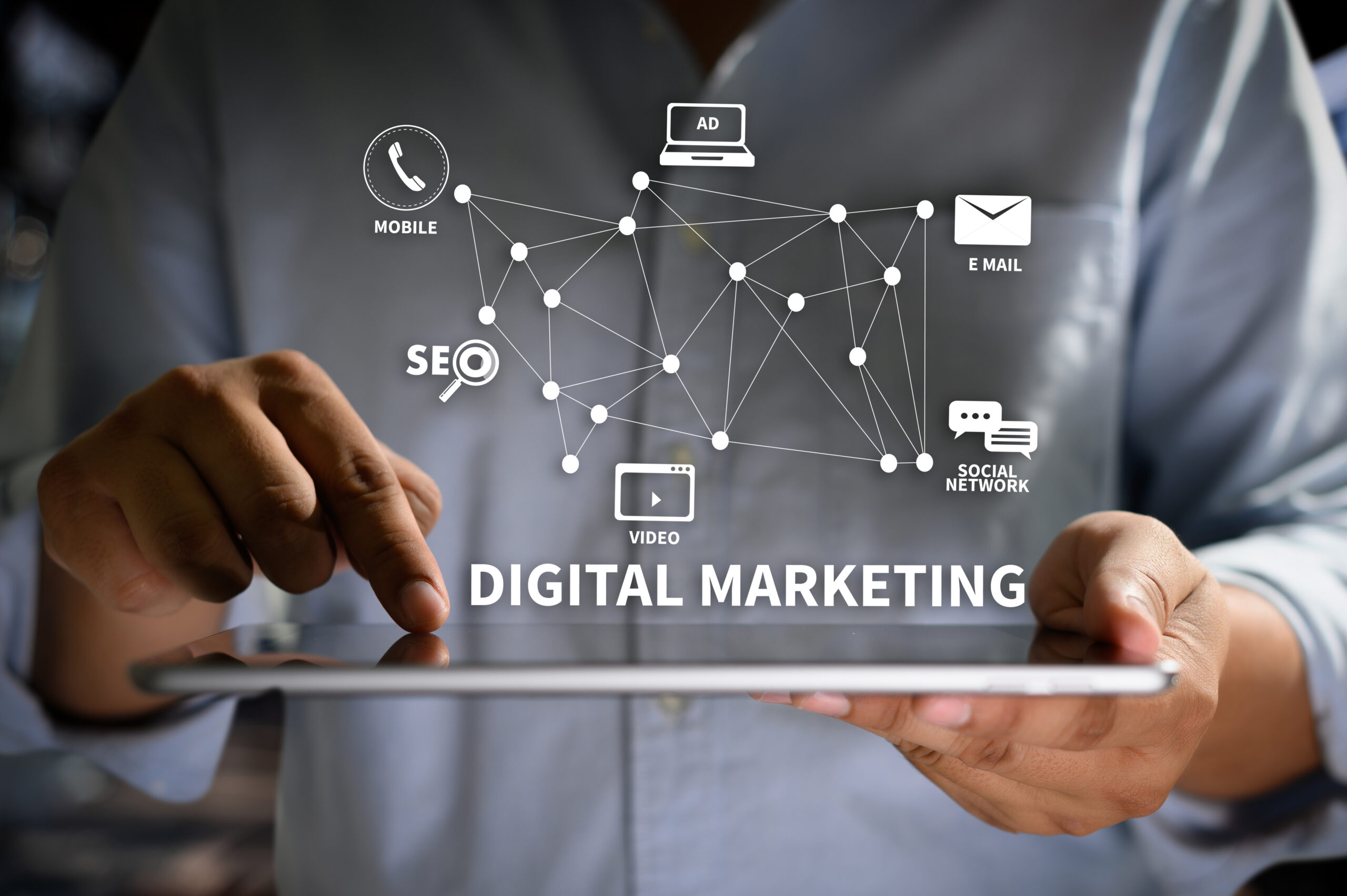
Table of Contents

Table of Contents
TL;DR: What are the best digital marketing strategies for dealerships?
The most effective game plan blends the essentials you know with the smart tech shoppers expect today: personalized emails that hit at the right moment, a lightning-fast mobile site backed by helpful AI chat that can actually answer inventory questions, and authentic video walkarounds on TikTok and Reels. Add in smart search strategies so your vehicles show up inside Google, ChatGPT, and AI search engines, high-intent video ads on YouTube, and frictionless ways for buyers to book a test drive in two clicks. The real magic happens when your inventory, website, and customer data talk to each other in real time, so every shopper sees the exact car, price, and payment that fits their life. Below are 30 actionable strategies to help your dealership drive more sales.
It’s crucial for dealerships to leverage effective digital marketing strategies to enhance car sales. With the right approach, dealerships can broaden their reach, elevate brand visibility, and ultimately increase sales. This article explores key digital marketing strategies for car dealerships designed to achieve these objectives.
The Impact of Digital Marketing on Car Dealerships
Digital marketing is pivotal for a dealership’s success. It encompasses promoting the dealership’s inventory and services to engage potential buyers. By leveraging effective digital marketing strategies, dealerships can outshine competitors, cultivate trust with their audience, and drive a significant increase in sales.
But what does effective digital marketing for car dealerships involve? It transcends mere advertisement placements, demanding an in-depth grasp of the target market, strategic planning, and the execution of diverse marketing initiatives.
A critical element of digital marketing is identifying a dealership’s unique value propositions. What distinguishes it from competitors? Whether it’s superior customer service, an extensive vehicle lineup, or unmatched prices, highlighting these distinct advantages can forge a deeper connection with the target market.
The Role of Digital Marketing in Driving Car Sales
Marketing is indispensable in the car selling process. Through targeted digital marketing strategies, dealerships can attract shoppers, nurture their interest with personalized follow-up, and convert those prospects into sales.
Search optimization stands out as an essential pillar in the automotive realm. Structuring your website, inventory feeds, and local listings for both traditional search engines and AI answer engines ensures your vehicles surface whenever customers look for nearby buying options.
Moreover, a responsive online presence is vital. In modern automotive retail, consumers expect instant answers, transparent pricing, and straightforward online tools. A fast, mobile-friendly website, active video engagement, and glowing customer reviews heavily shape buyer confidence before they ever set foot in the showroom.
Beyond Traditional Marketing: The Need for Digital Innovation
While traditional marketing avenues like print ads and billboards retain their relevance, they may not suffice in maximizing a dealership’s reach today. The digital landscape requires dealerships to adapt and embrace novel marketing strategies to remain pertinent.
Content marketing emerges as a powerful strategy. Producing informative, engaging content like blog posts, videos, and infographics positions dealerships as thought leaders, nurturing trust with their audience. This approach can lead to heightened brand loyalty and increased sales.
Furthermore, targeted online advertising allows dealerships to connect with specific demographics more effectively. Platforms such as Google Ads and Facebook Ads enable the customization of marketing messages based on location, age, and interests, ensuring visibility to the most relevant audience.
30 Digital Marketing Strategies for Dealerships
Email Marketing Strategies for Dealerships
Email marketing remains a cornerstone among digital marketing strategies for car dealerships, offering a direct channel to communicate with potential and existing customers. To harness the full potential of email marketing, car dealerships need to focus on several key areas to ensure their messages not only reach their audience but also compel them to take action:
- Craft Compelling Subject Lines
The first point of contact in any email marketing campaign is the subject line. It’s the make-or-break element that determines whether your email gets opened or ignored. For car dealerships, crafting compelling subject lines is essential. This means using language that sparks interest, offers value, or creates a sense of urgency. For instance, mentioning exclusive offers, new vehicle arrivals, or limited-time promotions can significantly increase open rates. Remember, the goal is to stand out in a crowded inbox by being as relevant and enticing as possible to your audience.
- Build a Quality Subscriber List
The foundation of effective email marketing is a quality subscriber list. For car dealerships, this means gathering emails from interested customers through your website, at the dealership, and during events. Offer incentives for signing up, such as exclusive deals or valuable information about car maintenance and new models. A robust subscriber list ensures your email marketing efforts are targeted, reducing the risk of spam complaints and increasing engagement rates.
- Subject Line Optimization
Optimizing your subject lines is a continuous process that involves testing and refining. Use A/B testing to experiment with different phrasing, lengths, and tones to see what resonates best with your audience. Incorporating keywords related to car deals, new model launches, or financing options can also improve open rates. The more tailored and personalized your subject lines are, the higher the likelihood of your emails being opened.
- IP Warming for Best Deliverability
IP warming is a critical step for car dealerships launching new email marketing campaigns. It involves gradually increasing the volume of emails sent from a new IP address to build a good sender reputation with Internet Service Providers (ISPs). This process helps ensure your emails reach the inbox rather than being marked as spam. Begin by sending emails to your most engaged subscribers and slowly expand your reach. This strategy is vital for maintaining high deliverability and engagement rates in your email marketing campaigns.
By focusing on these key aspects of email marketing, car dealerships can significantly enhance their digital marketing strategies. Effective email marketing not only boosts sales but also strengthens customer relationships, making it an invaluable tool in the digital marketing arsenal for car dealerships. Remember, success in email marketing is about more than just sending emails; it’s about sending the right message, to the right person, at the right time.
Website Strategies for Dealerships
A dealership’s website is often the first point of contact potential customers have with your business, making it a pivotal component of your digital marketing strategies for car dealerships. An optimized, user-friendly website can significantly enhance the customer’s shopping experience, leading to increased engagement and sales. Here are some strategies to ensure your website is working hard for your dealership.
- Make Your Website Shopping Friendly
Creating a shopping-friendly website involves more than just listing your vehicle inventory; it requires a user-centric design that facilitates an easy, enjoyable shopping experience. Ensure that your website is easy to navigate, with intuitive menus and clear calls to action (CTAs). High-quality images, detailed vehicle descriptions, and transparent pricing are all critical elements. Providing financing tools, such as loan calculators and pre-approval forms, can also help potential buyers make informed decisions right from your site.
- Keep Your Vehicle Inventory Up to Date
Your online vehicle inventory is the cornerstone of your dealership’s website. It is crucial to keep your inventory accurate, comprehensive, and lightning-fast. Shoppers bounce when pages lag, so your Vehicle Detail Pages (VDPs) must offer zero-latency load times alongside high-resolution galleries, walkaround videos, and transparent window stickers. Behind the scenes, make sure every VDP is powered by structured schema markup. This clean code allows search engines and modern AI discovery platforms to read your live pricing, mileage, and availability instantly, ensuring your vehicles surface at the exact moment a shopper asks for them. Pair that with robust on-site filtering by make, model, trim, and monthly budget to help buyers find the right car in seconds.
- Publish Blogs
Blogs remain a vital engine for organic traffic, but surface-level 500-word summaries no longer cut it. Modern buyers and AI search algorithms favor genuine, first-person authority. Use your blog to deliver high-utility, expert-led guidance: master technician breakdowns of common repair issues, real-world cold-weather range tests for your electric and hybrid inventory, local public charging guides, and transparent walkthroughs of the financing and trade-in process. Grounding your posts in the firsthand expertise of your service department and sales desk not only builds trust with prospective buyers, but also establishes the technical depth needed to win citations in AI overviews and traditional search results.
- Use Agentic AI for Website Chat
Old-school chatbots that spit out generic menus and trap shoppers in endless loops just frustrate buyers. Today’s virtual assistants act like your sharpest sales reps: checking live stock in real time, booking test drives directly into your team’s calendar, and knowing exactly when to hand off the conversation to a human teammate. These smart assistants handle the heavy lifting 24/7 so your floor team can focus on closing deals.
- Optimize for Mobile
With the majority of internet users accessing websites from mobile devices, mobile optimization is no longer optional; it’s essential. Ensure that your dealership’s website is fully responsive, meaning it automatically adjusts to look great and function well on any device size. Fast loading times, easy-to-use menus, and mobile-friendly forms are critical for keeping potential customers engaged and encouraging them to take action, such as scheduling a test drive or inquiring about financing.
By focusing on these website strategies, car dealerships can greatly improve their digital presence and customer experience. A well-optimized website not only attracts more visitors but also helps convert them into leads and sales, making it a key element in digital marketing strategies for car dealerships. Remember, your website is often the first impression you make on potential customers, so it’s crucial to get it right.
Social Media Strategies for Dealerships
Social media platforms are no longer just places to post vehicle photos and hope for likes; they now function as interactive digital showrooms, local search engines, and direct lead-generation channels. Today’s car shoppers discover models on short-form video feeds, research trims through peer recommendations, and expect to book test drives right inside their favorite apps. Here is how dealerships can turn social channels into active sales drivers:
- Instagram Reels
Instagram Reels has evolved into a high-intent, visual showroom where shoppers actively research cars. Ditch overly produced, static commercial clips in favor of snappy 15- to 30-second inventory arrivals, quick feature walkarounds, and honest “pros and cons” breakdown videos hosted by your sales team. Because shoppers increasingly use Instagram’s search bar to find local inventory, optimize your captions, spoken audio, and on-screen text with local search terms like “Compact SUVs in [City]”. Using interactive stickers like polls and direct-message prompts turns casual scrollers into real-time conversations with your sales desk.
- LinkedIn for Car Dealerships
LinkedIn is a high-yield powerhouse for commercial fleet sales, B2B partnerships, and critical staff recruitment. Dealerships can use LinkedIn to connect with local business owners, contractors, and corporate fleet managers who need reliable commercial vans, work trucks, or executive leases. Beyond vehicle sales, it is your strongest tool for recruiting qualified technicians and sales professionals during ongoing industry talent shortages. Sharing dealership milestones, employee spotlights, and community initiatives positions your store as an exceptional workplace and a reputable local business partner.
- Facebook for Car Dealerships
Facebook remains the operational workhorse for dealership marketing, driven by direct catalog integrations and local community groups. By connecting your DMS directly to Meta’s catalog, your Facebook page can showcase live inventory with real-time pricing and availability. Pair regular inventory updates with active community management, answering comments, hosting local charity giveaways, and responding quickly to Messenger inquiries. When your page acts as an accessible, responsive help desk, shoppers feel confident taking the next step toward a purchase.
- TikTok for Car Dealerships
TikTok operates as a genuine discovery engine for modern car buyers. Success here comes from unpolished, authentic content that highlights your dealership’s personality: delivery-day celebrations, day-in-the-life technician clips, hidden tech features on popular trade-ins, and clear explanations of financing basics. Treat TikTok like a local search platform by incorporating keyword-rich voiceovers and text overlays. When potential buyers in your area search for vehicle comparisons or first-time buyer tips, your dealership’s videos should be the helpful, entertaining answers that pop up first.
- Online Reviews and Social Amplification
Customer feedback is your most influential social proof. Turn glowing reviews into high-performing social content by converting customer quotes into clean graphics, video clips, and delivery-day carousels for Instagram and Facebook. Tagging happy buyers and celebrating five-star milestones across your feeds showcases real-time trust and transparency. Simultaneously, monitor comments and social tags with prompt, professional responses, showing prospective buyers that your dealership values customer satisfaction long after the sale is finalized.
- Paid Social Media Advertising for Car Dealerships
Organic reach builds community, but paid social media delivers predictable foot traffic. Modern paid campaigns rely on automated Automotive Inventory Ads (AIA) that dynamically serve the exact cars sitting on your lot to shoppers who recently browsed similar models online. By combining your dealership’s first-party CRM data with localized radius targeting, you can serve tailored lease specials, trade-in equity offers, and service reminders to in-market drivers within your immediate zip codes, bypassing generic ads entirely.
- User-Generated Content (UGC)
Nothing builds credibility faster than real buyers sharing their genuine excitement. Encourage new owners to snap photos in front of your dealership’s delivery wall, tag your store, and share their hand-off experience on their own profiles. Reshare these authentic customer stories, video testimonials, and delivery reactions on your main feeds and stories. User-generated content provides undeniable proof of good service, turning your happiest customers into your most influential local brand advocates.
- Video Ads
Modern video ads do far more than build brand awareness; they drive immediate action. Run high-impact, short-form video ads across Meta, TikTok, and YouTube that showcase a featured vehicle, highlight a limited-time incentive, and invite viewers to take immediate action. Instead of sending viewers to slow external landing pages, use integrated lead forms and click-to-message buttons that let shoppers claim an offer, value their trade, or lock in a test-drive time without ever leaving the app.
Implementing these social media strategies turns your dealership’s digital channels into a continuous pipeline for showroom appointments and service visits. By combining entertaining, search-friendly video with live inventory feeds and seamless messaging tools, you meet modern car buyers exactly where they spend their time, turning casual social browsing into closed deals.
Content Marketing Strategies for Dealerships
Effective content marketing is pivotal for car dealerships looking to establish a strong online presence and build lasting relationships with their audience. Here’s how to leverage various content strategies:
- Podcasts for Car Dealerships
A dealership podcast offers a distinct, conversational channel to humanize your store and build brand loyalty outside traditional sales pitches. Instead of broad automotive commentary, focus on hyper-local and practical topics: interviews with local business owners, seasonal driving and maintenance advice from your lead technicians, deep-dive discussions on new model generations, and straightforward explanations of trade-in equity and lease-end transitions. Distributing audio episodes alongside video snippets across YouTube Shorts, Reels, and your website establishes your team as relatable, trustworthy local advisors whom shoppers feel comfortable doing business with.
- Create Engaging Content and Decision Matrices
The core of any content strategy is delivering immediate, practical value tailored to where shoppers are in their buying journey. Today, engaging content extends beyond lifestyle tips into high-utility decision hubs and comparison matrices. Build side-by-side spec comparisons, trim-by-trim breakdowns, transparent out-the-door pricing guides, and trade-in evaluation checklists. Structuring this content into clear, digestible comparison tables and FAQ formats solves two critical needs: it simplifies complex decisions for shoppers comparing models on your lot, and it provides structured data that AI answer engines can parse and cite directly when local users ask conversational questions like “Which hybrid SUV has the best cargo room under $40,000?”
- Direct Mail with QR Codes
Integrating digital strategies with traditional marketing tactics can yield impressive results. Direct mail campaigns that include a QR code to link directly to online content or special offers create a seamless bridge between offline and online worlds. For instance, send out a postcard highlighting a new model and include a QR code that leads to a video tour of the vehicle or a landing page with a special promotion. This strategy not only capitalizes on the tangibility of direct mail but also drives traffic to your digital platforms.
- Customer Stories and Proof Points
Authentic experiences shape buyer trust faster than any commercial. Rather than just collecting star ratings, turn positive experiences into compelling narrative content. Feature customer handover stories in your email newsletters, film short interview clips with repeat buyers for your website, and highlight real-world ownership experiences with new EV or hybrid models. Putting your happiest customers front and center provides undeniable social proof and humanizes your dealership.
By integrating these content strategies into your overall digital marketing efforts, car dealerships can attract a broader audience, engage potential customers more effectively, and build a solid reputation in the competitive automotive market. Each piece of content, whether a podcast episode or a direct mail piece with a QR code, contributes to a cohesive narrative about your dealership’s values, expertise, and commitment to customer satisfaction. Remember, consistency and quality are key in content marketing; by providing consistent value to your audience, you’ll build lasting relationships that translate into loyal customers and increased sales.
AEO, GEO, Local SEO, and AI-Driven Media
Combining Search Engine Optimization (SEO) and Generative Engine Optimization (GEO) with smart Pay-Per-Click (PPC) advertising remains the fastest, most dependable way to capture high-intent car shoppers. Today, however, that playbook extends well beyond traditional keywords and ten blue links. In-market buyers now discover inventory across Google’s local map packs, vehicle ad carousels, YouTube feeds, and generative AI search platforms. By linking real-time inventory feeds directly to your ad campaigns and structuring your website so search and answer engines can cite your vehicles instantly, you ensure your dealership is visible at the exact moment a nearby buyer decides to purchase. Here’s how car dealerships can leverage these strategies effectively:
- Google Ads for Car Dealerships
Google Ads remains a cornerstone of paid acquisition, but the playbook has evolved beyond simple text ads. Modern dealerships leverage smart bidding driven by first-party customer data, alongside automated Google Vehicle Ads (GVA) that pull straight from your live inventory feed. By targeting high-intent local search queries, you can dynamically display actual vehicles on your lot with current pricing, mileage, and imagery right at the top of the search engine results page. Utilize ad extensions, store visit tracking, and custom audiences to highlight special financing rates, fresh trade arrivals, or unique dealership perks, ensuring your ad spend captures ready-to-buy shoppers in your exact market.
- YouTube Ads for Car Dealerships
With billions of views every day, YouTube is an unmatched platform for capturing shoppers during the visual research phase. Dealerships can run targeted video campaigns that showcase vehicle walkarounds, customer delivery stories, or community events. By pairing long-form in-stream video ads with punchy YouTube Shorts campaigns, you can engage viewers wherever they are watching. Advanced audience targeting based on auto-intender signals, in-market searches, and CRM remarketing lists ensures your video ads reach local buyers who are actively comparing models, driving high-intent traffic directly to your VDPs and showroom floor.
- Display Ads for Car Dealerships
Display advertising keeps your brand and inventory top of mind across the web through high-impact, visual touchpoints. Instead of generic brand awareness banners, today’s top-performing display campaigns rely on dynamic remarketing connected to your inventory feed. When a shopper browses a specific SUV on your website, display networks can serve ads showing that exact vehicle, price drops, or similar alternatives as they read the news or check sports scores. Layering first-party audience segments and geofenced local targeting ensures your ad budget focuses exclusively on active car shoppers within your primary market area.
- Local SEO and Google Business Profile
For car dealerships, local SEO is non-negotiable, and your Google Business Profile (GBP) is your digital storefront. Optimizing for local discovery means keeping your address, phone numbers, department hours (sales, service, parts), and photos meticulously updated, while directly linking your live vehicle inventory feed to GBP via Google Merchant Center. Actively collect and respond to customer reviews, as authentic feedback and local review volume heavily influence your placement in Google’s local map pack. When properly optimized, your local presence does not just show a map pin, it surfaces real vehicles and encourages one-click phone calls, direction requests, and test-drive appointments.
- SEO and Answer Engine Optimization (AEO/GEO) for Dealerships
Search Engine Optimization is no longer just about ranking in ten blue links. It’s about being cited and surfaced by AI engines like ChatGPT, Perplexity, and Google’s conversational results. While fundamental on-page technical SEO, site speed, and quality backlinks remain essential, modern automotive SEO requires structured data markup on every VDP. Clear specs, upfront pricing tables, and deep, first-hand model guides help both traditional search algorithms and generative AI tools understand your inventory and expertise. By establishing authoritative, locally relevant content, you ensure your dealership is the recommended answer when shoppers search or prompt for the best vehicle options nearby.
Integrating these search and paid media strategies ensures your dealership dominates both immediate intent and long-term discovery. While smart PPC and vehicle ads put your live inventory in front of ready-to-buy shoppers instantly, AEO and local SEO build lasting authority so AI answer engines, maps, and organic search consistently recommend your lot. Together, they create a full-funnel search engine that keeps your brand visible at every touchpoint, from the moment a shopper first asks an AI tool for model recommendations to the day they search for directions to your showroom.
Video Marketing Strategies for Dealerships
The power of video in engaging and converting potential customers cannot be overstated. With the right approach, video marketing can significantly enhance your dealership’s online presence and sales efforts.
- Live Video Events
Live video events on platforms like Facebook, Instagram, LinkedIn, and YouTube offer car dealerships a unique opportunity to engage with their audience in real time. These events can range from virtual tours of new vehicles and live Q&A sessions to special sales events or vehicle launches. The interactive nature of live video allows you to directly engage with potential buyers, answer their questions on the spot, and build a more personal connection. Promote these events in advance through your social media channels and email marketing to ensure a good turnout. Live video events can humanize your brand, build trust, and give an inside look into your dealership’s operations and offerings.
- Online Videos
Online videos are a versatile tool for storytelling and can be used across various platforms, including your website, social media channels, and video hosting sites like YouTube. These videos can showcase vehicle features, customer testimonials, how-to guides (e.g., maintenance tips), and behind-the-scenes looks at your dealership. High-quality, informative, and entertaining online videos can boost your SEO, increase dwell time on your website, and improve social media engagement. When creating online videos, focus on delivering value to your viewers. Whether you’re highlighting the advanced features of the latest models, sharing tips on car care, or showcasing customer satisfaction stories, your videos should inform, engage, and persuade viewers to take the next step toward purchasing a vehicle from your dealership.
Optimizing Video Content for SEO
To ensure your video content reaches the widest possible audience, it’s crucial to optimize for search engines. This includes using relevant keywords in your video titles, descriptions, and tags, as well as creating engaging thumbnails that encourage clicks. Additionally, embedding videos on your website can improve your site’s SEO and increase the time visitors spend on your pages, which is a positive signal to search engines.
Video Analytics and Feedback
Leverage analytics tools to track the performance of your video content. Analyzing views, engagement rates, and conversion metrics can provide insights into what content resonates with your audience and what doesn’t. Use this feedback to refine your video marketing strategy over time, focusing on the types of content that drive the most engagement and leads.
Incorporating live video events and online videos into your digital marketing strategies for car dealerships allows you to engage with your audience in a more dynamic and personal way. By leveraging the power of video, you can enhance brand visibility, showcase your inventory in a compelling manner, and ultimately drive more sales. Remember, consistency is key – regularly producing quality video content can help maintain engagement and keep your dealership top of mind for potential customers.
Lead Generation and Optimization Strategies for Dealerships
Successful digital marketing strategies for car dealerships hinge on the ability to capture, analyze, and optimize leads in real time. Today’s buyers rarely fill out rigid, multi-field forms and wait hours for a call back; they expect instant answers, zero friction, and clear numbers. Implementing strategic, data-driven lead workflows ensures you not only capture high-intent prospects across digital touchpoints, but also automate follow-up to convert interest into booked appointments on the showroom floor.
- Capture Leads
The first step in a successful lead strategy is meeting car shoppers where they are with high-utility, zero-friction tools. Replace cumbersome contact sheets with streamlined, interactive offers, such as instant trade-in photo appraisals, down-to-the-penny lease and finance calculators, and two-click test drive scheduling. Expand capture points beyond static website pages by leveraging conversational entry points like click-to-WhatsApp, click-to-SMS, and direct-message lead prompts across Meta and TikTok. By pairing valuable self-service tools with lightweight, mobile-first forms, you capture genuine buyer intent at the exact moment a shopper is motivated to engage.
- Analyze and Optimize
Once leads enter your pipeline, continuous tracking and automated optimization ensure your sales team works smarter, not harder. Modern analytics go far beyond simple form-fill counts; integrate your capture channels directly with your CRM and DMS to monitor lead source attribution, showroom visit rates, and actual gross profit per sale. Leverage predictive lead scoring and automated equity mining to flag which shoppers are actively browsing VDPs, nearing lease-end, or sitting in positive trade equity. Regularly analyzing these behavioral and transactional signals allows you to reallocate ad spend toward your highest-converting channels and deliver prompt, hyper-relevant follow-ups that close deals faster.
Conversion Rate Optimization (CRO) Strategies for Dealerships
Conversion Rate Optimization is about making the most of the traffic to your website and other digital platforms. Implementing CRO strategies can significantly increase the percentage of visitors who take a desired action, such as filling out a lead form or scheduling a test drive. Examples of effective CRO strategies include:
- Website Pop-Ups: Well-timed and relevant pop-ups can effectively capture visitors’ attention and encourage them to sign up for offers, newsletters, or alerts about new inventory. Ensure these pop-ups add value and are easy to dismiss to not detract from the user experience.
- Landing Page Optimization: Create dedicated landing pages for specific campaigns or offers. These pages should be optimized for conversions, with clear, compelling calls to action (CTAs), concise copy, and relevant images. A/B testing different elements on these pages can help identify what works best in converting visitors into leads.
- Conversational AI Assistants: Equipping your site with smart assistants that answer live inventory questions, calculate payments, and schedule test drives in real time converts high-intent shoppers at the exact moment of peak interest, rather than losing them to a static contact form.
- Personalization: Tailoring the user experience and marketing messages based on visitor behavior, preferences, or past interactions can significantly increase conversion rates. Personalization can range from dynamic content on your website to segmented email marketing campaigns.
By focusing on capturing leads effectively, continuously analyzing and optimizing your strategies, and implementing targeted conversion rate optimization techniques, car dealerships can significantly enhance their digital marketing performance. These efforts not only increase the volume of leads but also improve the quality, leading to higher sales conversion rates and a better return on investment in your digital marketing strategies for car dealerships.
How to Implement Digital Marketing Strategies for Your Dealership
Understand Your Target Audience
The foundation of any successful digital marketing campaign is a deep understanding of your target audience. Begin by conducting detailed market research, analyzing customer data, and building buyer personas. This critical step will unearth insights into your customers’ online behaviors, preferences, and challenges. Armed with this knowledge, you can craft digital marketing strategies that are highly tailored to engage your audience effectively across various online platforms.
Set Clear Marketing Goals
Define your digital marketing goals with precision. Whether you aim to enhance your online presence, generate leads through your website, or increase online sales, clear objectives will guide your efforts and enable success measurement. Adopt the SMART framework (Specific, Measurable, Achievable, Relevant, Time-bound) to ensure your digital marketing goals are well-defined and actionable. This approach keeps your strategies on track and geared toward meaningful outcomes.
Measure Success
Continuously monitoring and evaluating your digital marketing strategies is vital. Utilize web analytics tools, social media analytics, and gather customer feedback to measure important metrics such as website traffic, lead conversion rates, online engagement, and customer satisfaction. Regular analysis of these data points will highlight the effectiveness of your strategies and pinpoint areas for optimization or adjustment, allowing for agile responses to digital market trends.
Unifying Marketing with Customer Data Platforms (CDPs) and Autonomous Agents
By anchoring your marketing in a centralized Customer Data Platform (CDP), every touchpoint draws from a single source of truth. The moment a shopper clicks a vehicle ad, browses specific trims on your site, or asks a question on social media, their profile updates in real time.
That unified data layer is the fuel that powers modern autonomous marketing agents. Instead of waiting for manual campaign setups or static email blasts, intelligent agents continuously analyze shopper behavior, lease milestones, and live inventory. They can autonomously adjust ad bids toward high-equity trade-in prospects or alert your sales desk the minute a warm lead revisits a VDP. Unifying your customer data turns marketing from a disjointed list of channels into an agile, 24/7 revenue engine that delivers the right vehicle, payment, and message at the exact moment of intent.
Driving Car Sales Through Digital Marketing
In the automotive industry, leveraging digital marketing is key to driving car sales. Understanding the critical role of digital marketing and employing a comprehensive approach that includes the top strategies tailored for car dealerships can significantly enhance your ability to attract online prospects, cultivate strong digital customer relationships, and ultimately, increase car sales. From SEO and content marketing to social media strategies and online advertising, focusing on digital avenues offers a direct path to reaching and engaging with today’s tech-savvy consumers, setting the stage for sales growth and long-term success in the digital arena.
FAQs About Digital Marketing Strategies for Dealerships
What are the most effective digital marketing strategies for dealerships?
The top-performing strategies combine real-time Google Business Profile and inventory feeds, Answer Engine Optimization (AEO/GEO), automated Google Vehicle Ads, authentic short-form video on Reels and TikTok, predictive email marketing, and fast, mobile-first websites backed by conversational virtual assistants. The highest returns come from unifying all these channels through a central Customer Data Platform (CDP), allowing automated systems to deliver the right VIN, payment option, and message to shoppers at the peak moment of intent.
How can car dealerships use email marketing effectively?
Car dealerships can maximize email performance by trading static, batch-and-blast newsletters for automated, behavior-triggered outreach driven by clean first-party data. Winning email strategies combine strong deliverability with hyper-personalized messaging. Instead of generic sales flyers, send dynamic inventory alerts showing price drops on models shoppers previously browsed, personalized equity-position notices when trade-in values peak, and timely service reminders based on vehicle mileage. Delivering relevant, 1:1 messages at the exact moment of buyer intent keeps open rates high and unsubscribes low.
Why is local SEO and Google Business Profile optimization critical for dealerships?
Most vehicle purchases originate with local searches. An optimized Google Business Profile linked directly to your live vehicle inventory feed via Google Merchant Center turns Google Maps and local search results into an instant digital showroom. Maintaining accurate sales and service hours, highlighting transparent pricing, and consistently earning genuine customer reviews ensures your store dominates local map packs and appears when nearby buyers search for immediate test drives or service visits.
Which social media platforms should car dealerships use?
Meta (Facebook and Instagram) remains essential for catalog-driven Automotive Inventory Ads (AIA) and localized community engagement. Instagram Reels and TikTok function as searchable digital showrooms, capturing millennial and Gen Z shoppers through quick walkarounds, trade-in showcases, and staff tips. YouTube captures high-intent buyers through in-depth virtual test drives and tech tutorials, while LinkedIn drives commercial fleet vehicle sales, B2B partnerships, and dealership technician recruitment.
How can dealerships improve website conversion rates?
Dealerships maximize conversions by removing friction across the car-shopping journey. Key tactics include zero-latency VDPs that load instantly, self-service tools like online trade valuations and down-to-the-penny payment calculators, conversational direct-message options (like click-to-SMS or WhatsApp), and smart assistants that answer inventory questions 24/7. Simple, transparent offers paired with two-click appointment booking convert browsing traffic into real showroom appointments.
How should dealerships measure digital marketing success?
Dealerships should look beyond vanity metrics like page views, clicks, and generic form submissions, focusing instead on bottom-line showroom outcomes. Modern tracking ties web, social, and ad analytics directly into the CRM and DMS to measure showroom visits, cost per verified test drive, front- and back-end gross profit per lead channel, and customer acquisition cost (CAC). Using multi-touch attribution and real-time sales data allows dealerships to see exactly which campaigns, vehicle detail pages, and automated touchpoints deliver sold units, making it simple to shift ad spend toward the channels that actually move metal.
How do unified data and AI improve dealership digital marketing?
A Customer Data Platform (CDP) eliminates fragmented tools by consolidating customer data, including website activity, CRM notes, DMS purchase records, and ad clicks into one central profile for every shopper. AI systems use this clean, connected data to trigger hyper-personalized outreach, such as serving ads for the exact SUV a buyer viewed, identifying customers entering positive trade equity, or suppressing ads for buyers who already finalized a purchase, preventing wasted ad spend and shortening sales cycles.
Put These Digital Marketing Strategies for Dealerships to Work
Ready to coordinate your dealership’s digital marketing across every channel? Schedule a demo to see how Fullpath unifies your data and powers personalized, AI-driven marketing that drives more car sales.



Fill out this form to schedule a personalized demo today!
Feel free to tell us more about you so we can personalize your demo.
Sign up for our newsletter!
By submitting this form you accept Fullpath’s privacy policy. We will never spam you and will only send important updates about Fullpath!